
Home Affairs
History of the South African Identity Number and Documents
by GenDatabase.com · 20 May 2026
Article
Background
Before 1950, South Africa did not have any form of identity number or identity documents, other than passports, issued to South African citizens or non-citizens. This saw the introduction of the enactment of the Population Register Act of 1950. With this Act, South Africa would begin the official registration of births, marriages, immigration, naturalization, divorces and deaths. This would also allow the country with better access to information and statistics on citizens and non-citizens registered under the Act.
1950
With the introduction of the Population Register Act, South Africa started issuing all registered citizens with a 9-digit identity number. Each identity number ended in a letter, which indicated the race of the individual. This also saw the issuing of a green card-type laminated identity document.
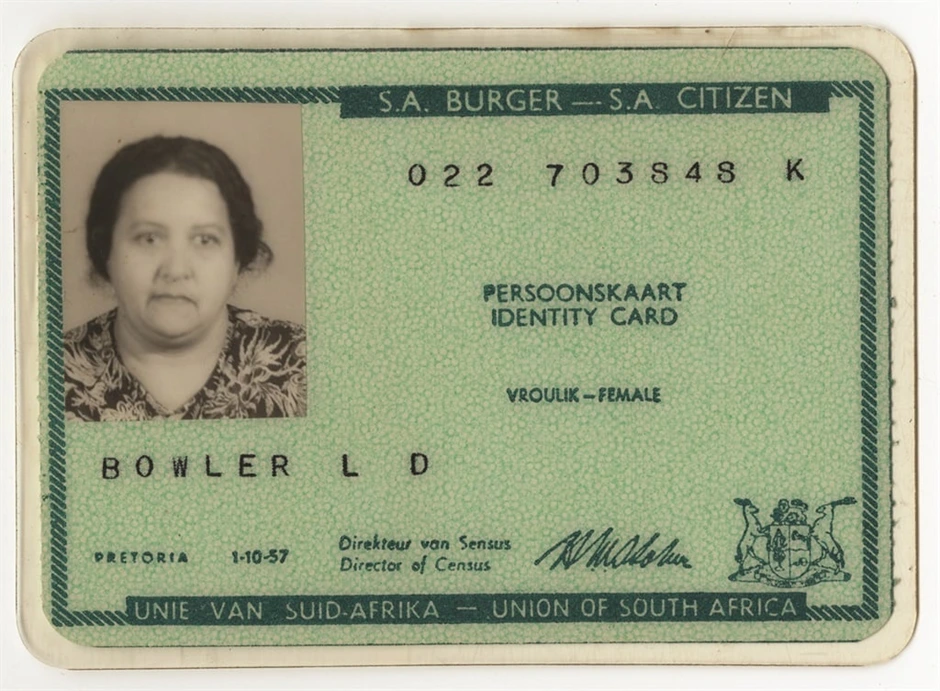
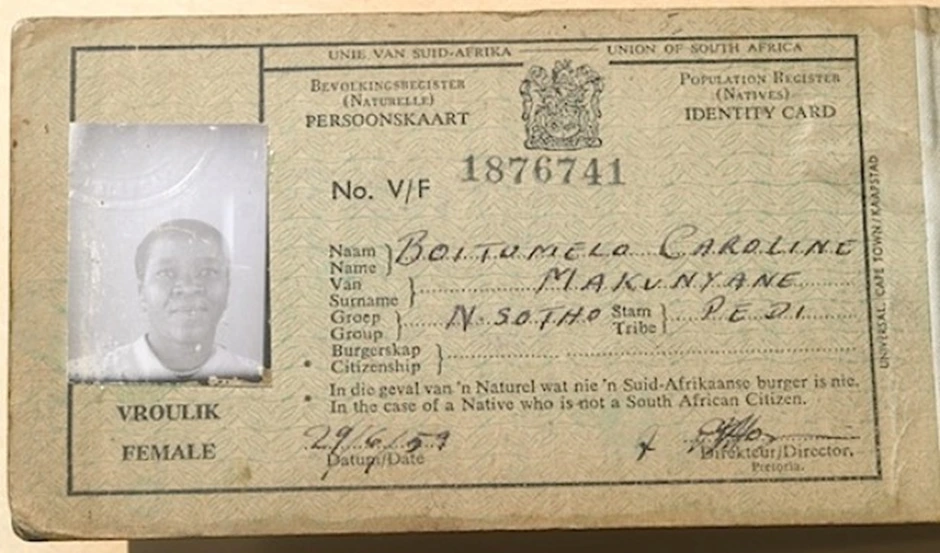
This whole process was done manually and on paper. No identity number issued during this period was ever digitized.
Important to note, was that black citizens were not issued with the green identity card. Instead, from 1952 onwards, black citizens were issued with a Reference Book, which was also known as a Dompas.
1972
 During February 1972, South Africa launched its first Electronic Population Register. This computerized system would allow the country to register all citizens and non-citizens electronically.
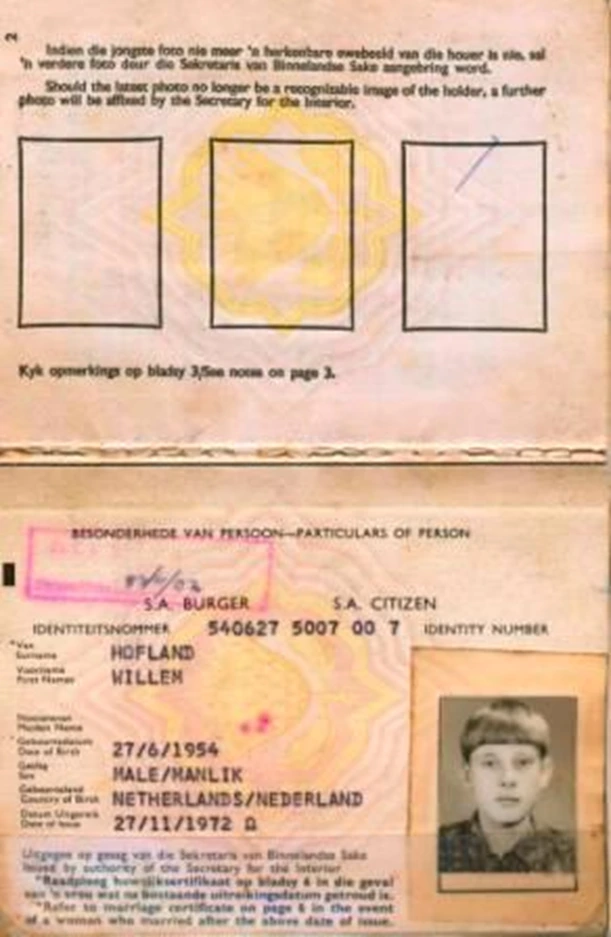
A decision was made not to digitize any previously issued identity number before this year. Instead, the country started to register all new births and citizens were invited to apply for new identity documents, during which they will be registered on the Electronic Population Register. This, however, was not mandatory and it was the choice of every citizen.
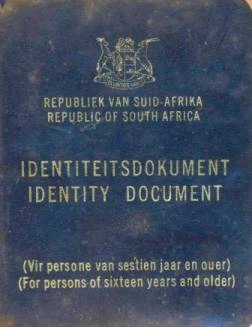
With the introduction of the Electronic Population Register, every citizen registered was issued with a new 13-digit identity number. A long with this, citizens also received a new large blue identity document with various pages in which things like marriage certificates, drivers’ licenses and firearm licenses were attached.
As with the previous green identity card, the big blue identity document was not issued to black citizens.
As with the previous 9-digit identity number, the new 13-digit identity number also indicated the race of the identity holder through the second last digit of the identity number.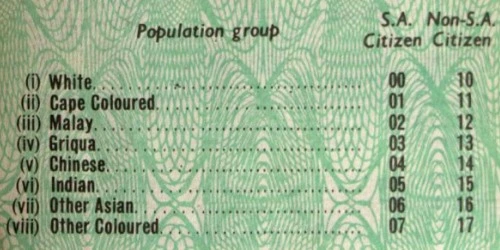
1986
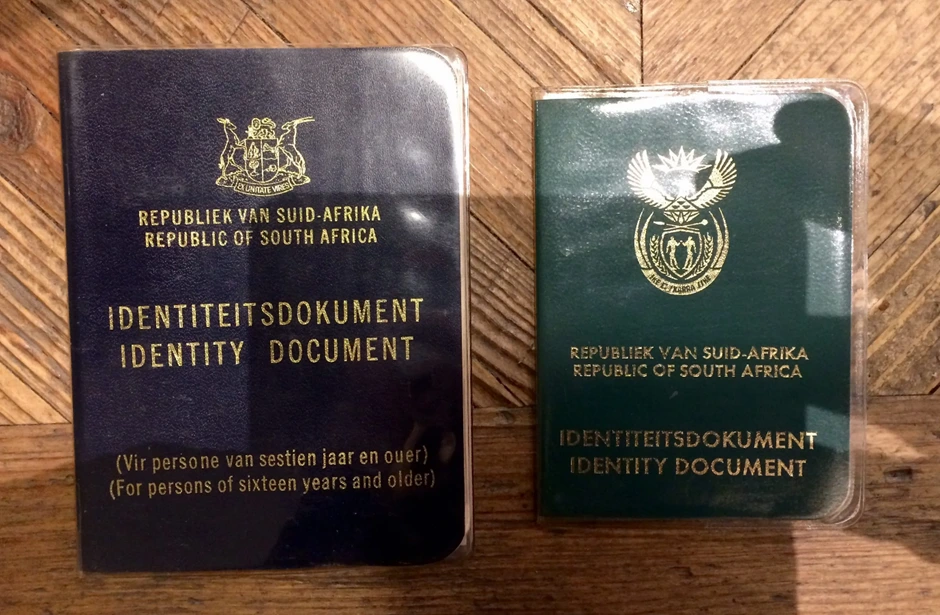
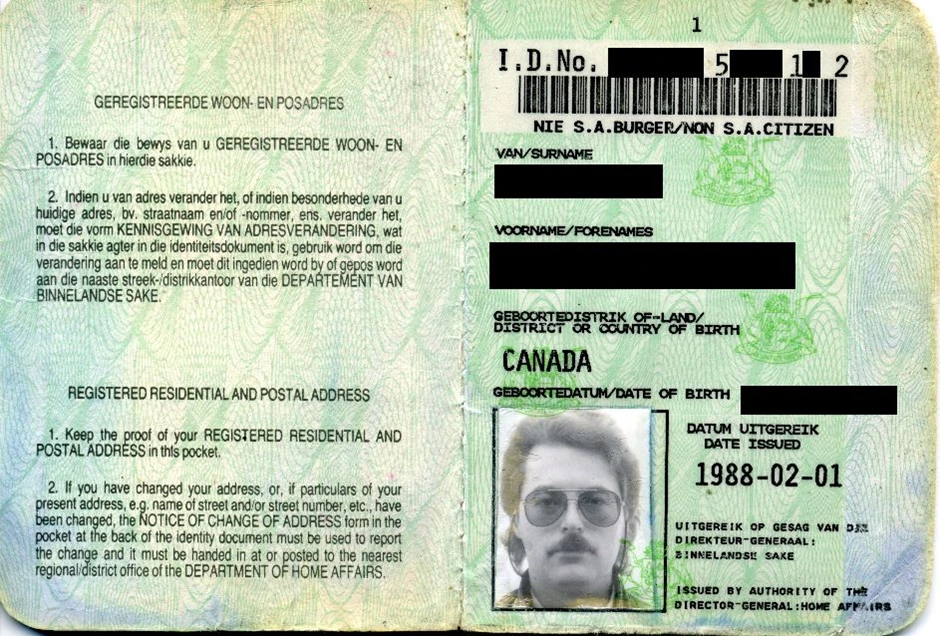
In 1986, South Africa was in a transition period for identity documents following the introduction of the Identification Act 72 of 1986. This Act repealed the discriminatory pass laws and the system that had previously restricted black South Africans' movement, leading to a new, unified identity document system for all population groups.
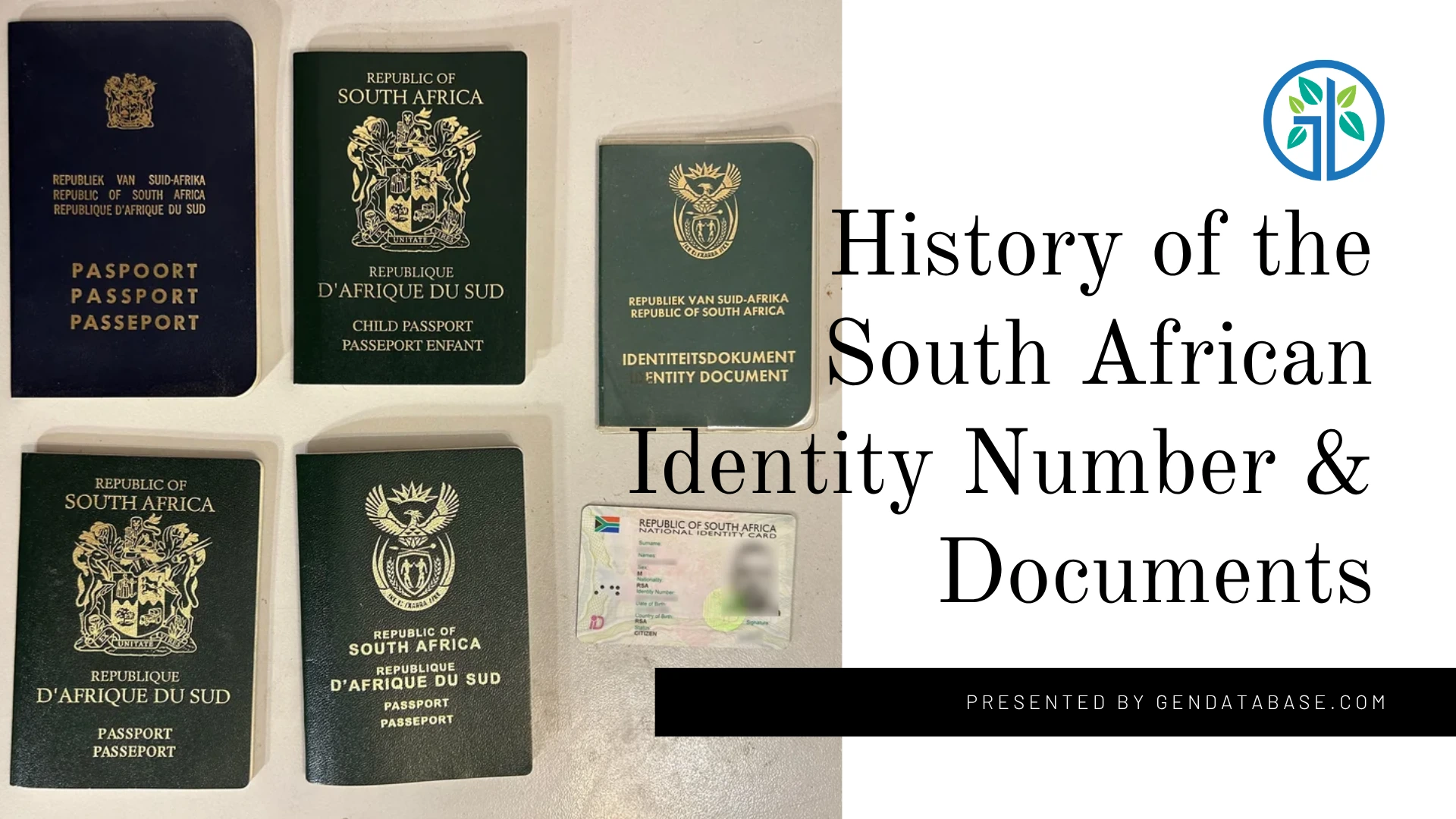
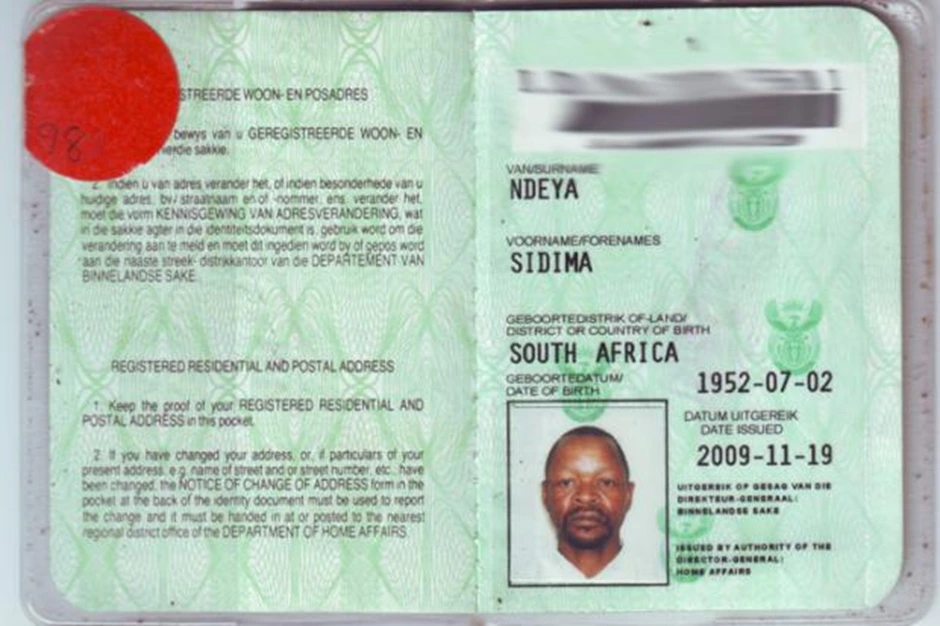
During 1986, the big blue identity document was changed to a smaller green bar-coded identity document, which also consisted of a number of pages for the same purposes as the blue identity document. This document would also add the tax status of the identity holder.
With the issue of the new green identity document, the 13-digit identity number of all citizens were changed to do away racial classification. This identity document also became widely known as “The Book of Life” among South Africans.
1991
During 1991 law was passed ending legal enforcement of race classification.
By 1994 all old id numbers prior to 1987, had all been changed.
2013
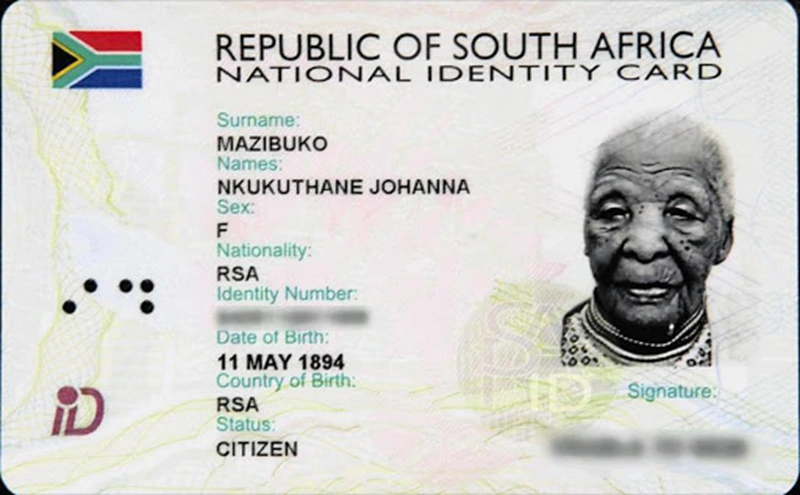
During 2013, South Africa introduced its new Smart Identity Card which would replace all previous identity documents. No changes were made to identity numbers, which still is indicated on the new Identity Smart Card.